Top 15 Gucci Purses for Women This Year: Cost Analysis and Value
The following overview ranks these 15 designer bags with 2024’s most robust investment potential, including present U.S. price bands plus what you can reasonably anticipate in the secondary marketplace. The quick takeaway: heritage metal design groups including Jackie, Horsebit, plus Bamboo control value retention, especially in small-to-medium proportions using standard leathers. Use the following grid to assess new versus resale, then dig into the model-by-model approach.
Gucci’s icons perform like blue-chip style commodities this year, while some recent silhouettes are developing power within the brand’s updated strategy. When judging value, prioritize timeless hardware, neutral colors, and practical sizes accessing genuine market demand. Limited heritage items can surpass original costs, yet condition, completeness, and authenticity checks decide whether that premium sticks. If you’re balancing wearability with eventual selling power, our models highlighted as foundation pieces offer the best risk-adjusted buys.
Which Gucci bags hold value in 2024?
Pieces with archival hardware and long, cross-era appeal maintain their line: Jackie 1961, Bamboo 1947, Bamboo 1947, plus Diana. Among contemporary designs, Blondie and Horsebit Chain show growth, while Dionysus remains stable in classic iterations. Budget-friendly materials such as Ophidia stays fluid, while specific discontinued models—Soho Disco and Sylvie 1969—exchange over previous retail in excellent shades plus condition.
The most resilient configurations are small through petite top handles and shoulder styles with black, brown, with camel skin, followed by GG Supreme material with leather accents. Limited editions can spike, but mass exposure reduces the fashion cycle, so choose basic SKUs unless one flips rapidly. Chain-equipped evening silhouettes like Horsebit Chain travel well between dress codes, supporting secondary market velocity. Bright seasonal hues can do well during debut, though neutrals compound value over a longer hold. Consumers intending to wear and flip should stick to the icons; collectors can selectively hunt rarities.
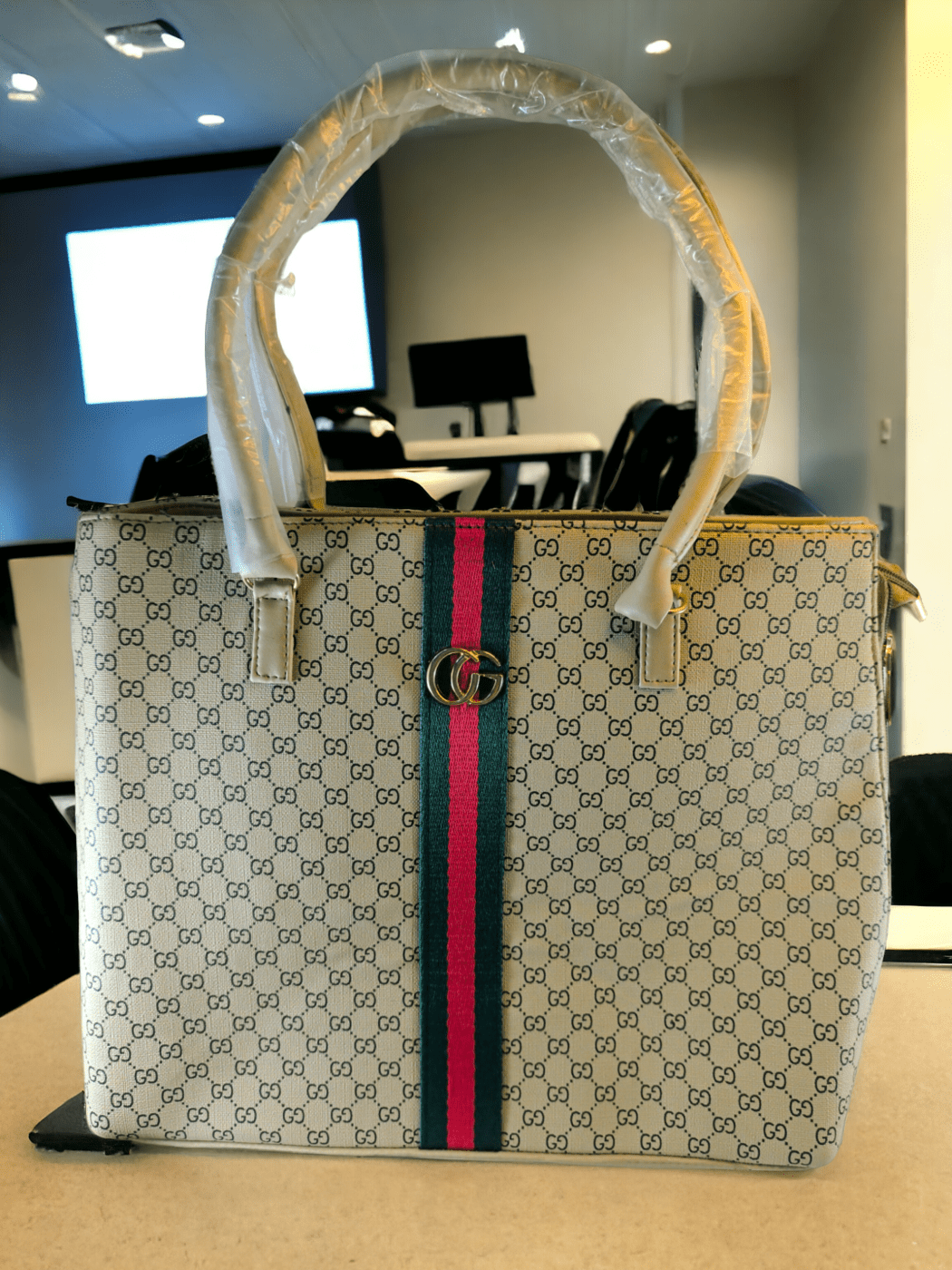
This Year’s Cost and https://ggluxoutlet.com/ Resale Snapshot
The table summarizes U.S. retail ranges plus common pre-owned retention for 2024, by model and common size configuration. Prices change through proportions, leather, and region, so use these as active spans not than fixed points.
| Model | US boutique 2024 (USD) | Standard secondary holding | Brief value observation |
|---|---|---|---|
| Jackie 1961 Compact | $2,950-$3,200 range | 85–110% | Cross-era icon; small in black to beige dominates. |
| 1955 Horsebit Shoulder | $2,700-$3,500 span | 85-105% holding | Traditional detail; GG canvas is stable. |
| 1947 Bamboo Compact Top Handle) | $4,200 to $4,800 | 85–105% | Hand-finished bamboo; rare colors pop. |
| Diana (Small Tote) | $3,600 to $4,500 | 90 to 120% | Star power; vivid straps boost interest. |
| Dionysus Small | $2,980-$3,600 range | 75 to 95% | Leather holds; embellished pieces are volatile. |
| GG Marmont Small | $2,690-$3,100 span | 60-85% holding | Ubiquitous; stick to black matelassé. |
| Ophidia Small | $1,290 to $1,790 | 65–85% | Entry price; GG Supreme ages gracefully. |
| Small Blondie | $3,200-$3,800 span | 80 to 100% | Vintage logo circle; clean leather preferred. |
| Padlock (Small) | $2,450–$2,990 | 70-90% retention | Fabric/hide blend; monitor corner wear. |
| Attache (Small) | $2,800-$3,300 span | 70–90% | Flexible strap; initial De Sarno-era investment. |
| Aphrodite (Small) | $2,500 to $2,900 | 65 to 85% | Rounded hobo; most secure in black. |
| Chain Horsebit Bag | $3,800–$4,200 | 85–110% | Night-appropriate; patent and black lead. |
| Camera Soho Disco | Unavailable (archived) | 70-110% versus last retail | Resale jewel; quality drives price. |
| Sylvie 1969 (Small) | Not available (ended) | 85–130% of last retail | Rare colors and exotics soar. |
| Bamboo Bucket Small | $3,300-$3,900 range | 70-95% retention | Specialized shape; bamboo detail adds base. |
Retention bands reflect typical outcomes with carefully stored items with dust cover with receipt; poor condition may reduce actual prices by 15 to 40%. Regional demand, step-wise pricing growth, and seasonal hue shifts might nudge results above or below. For discontinued pieces, rarity markups hinge on color, hardware finish, and completeness. If you plan to flip within a year, assume the bottom portion within each band; long-term ownership of icons often drift to the top end.
How did our team rank investment opportunity?
We weighted archival longevity, hardware category, today’s store stability, and resale marketplace activity. We then layered color and size premiums, quality considerations, with supply visibility to reflect real odds, not just list prices.
Liquidity counts above theoretical upside, so models with consistent sell‑through through acceptable markdowns rank higher over volatile favorites that require precise synchronization. Heritage hardware families score best because appetite remains extensive and repeats across seasons. We discouraged shapes featuring rapid color shifts with common markdown exposure, as those inflate short-term listings plus reduce returns. Discontinued pieces gained rarity credit only where long-term cultural recognition is there, not just because they’re difficult to locate.
Classic pieces which anchor value
Jackie 1961, Bamboo 1947, Horsebit 1947, and Diana represent the capital. Small through petite proportions in black, tan, and brown leather consistently clear at tight spreads versus retail, with occasional premiums for rare colors. Jackie 1961’s piston lock and slim hobo silhouette flows through day and evening, supporting both wear-time plus secondary speed. Bamboo 1947 and Diana carry hand-finished bamboo grips, an artisan detail that establishes cost foundations and attracts enthusiasts. If you’re purchasing single piece to wear hard and sell cleanly later, start in this quadrant.
Jackie 1961 Small around $2,950–$3,200 is the most versatile entry, and the extra strap modernizes carry methods yet maintaining the silhouette. 1955 Horsebit near $2,700–$3,500 leans timeless; GG material with leather detail appears marginally more forgiving to wear than full leather. Bamboo 1947 at $4,200–$4,800 is costlier, though the workmanship and restricted quantities warrant stronger retention. Diana around $3,600–$4,500 benefits from fame recognition, including bright strap colors adding a speculative edge. Across these four, avoid oversized proportions unless one specifically want a business carrier; resale skews smaller.
Contemporary staples with momentum
Dionysus, Blondie, Attache, and Horsebit Chain merge current aesthetics with recognizable Gucci elements. Blondie’s round Interlocking G plate reads modern yet remaining loud, and compact black hide versions are subtly strengthening. Horsebit Chain provides dressy polish to a traditional pattern, a profile that trades fast in core hues. Dionysus remains dependable within smooth leather and GG Supreme; aggressively embellished editions fluctuate more. Attache’s adjustable strap setup is clever plus functional, though treat it as a medium‑risk, medium‑reward hold unless you secure a core shade early.
Financially, Dionysus Small sits around $2,980-$3,600, Blondie Small around $3,200-$3,800, Attache Small near $2,800 to $3,300, with Horsebit Chain at $3,800–$4,200. If you need one “fashion‑forward” play with a safety net, choose Horsebit Chain with black material and keep it perfect. For Blondie, smooth leather shows wear, so include hide care routine throughout your investment basis. Reserve crystal, ornamentation, with seasonal textures for accumulating, rather than for flipping according to timeframes. As momentum builds, revisit these models in six or twelve months for signs of inventory tightening.
Affordably priced essentials
Ophidia, Padlock, with Aphrodite are the functional segment within the portfolio where expense for entry is lower and liquidity is high. Ophidia featuring GG Supreme is a durable daily bag, and the price band keeps buyer pools wide. Padlock’s canvas-and-leather mix makes corners the weak point; buy with clean edges then trade before heavy use develops. Aphrodite’s rounded hobo silhouette are trending, yet select black to reduce mark appearance and fashion risk. These styles won’t likely to moon; they’re for dependable wear with limited exposure.
Ophidia’s small configurations range around $1,290–$1,790, which appeals to new luxury buyers and maintains secondary interest. Padlock Small positions near $2,450–$2,990, and neutral accents work optimally. Aphrodite Small near $2,500–$2,900 stays new enough to feel current without feeling speculative in core colors. If you’re allocating a fixed budget, one heritage anchor plus one of these workhorses balances the collection. Keep boxes, dust covers, with receipts to preserve liquidity when you exit.
Archived signature models worth chasing
Soho Disco with Sylvie 1969 possess the rarity premium and social proof to justify hunting. Soho Disco’s small camera shape continues leading journey and casual ensembles, with immaculate caviar‑textured leather connects to robust pricing. Sylvie 1969, notably across rare colors plus unusual accents, can clear substantially over previous retail because production was tighter and the metal becomes immediately identifiable. Both reward patience and authentication diligence, because state variations are wide. View these items as tactical buys instead of regular beaters if buyers seek to protect upside.
On Soho Disco, emphasize sharp corners, complete trim, with clean interior; offer extra for full collection items with recent spa records. For Sylvie 1969, review chain plus web hardware alignment, clasp tension, and edge paint to sidestep pricey aftercare. Expect pricing variance by color; black and cream set the floor, as vivid plus uncommon shades can push the top of the span. If a listing seems underpriced for condition, anticipate bidding with move quickly plus confirmation. Scarcity assists, though just the right example transforms such into outcome.
Boutique against secondary: the smarter move today
Buy fresh if it’s a core classic featuring core leather or a hot drop with clear lists; instead, pre‑owned narrows your exposure by 15–35%. For items you plan to wear for multiple years, new can be logical when you want service coverage plus the exact spec. If you intend to flip inside twelve months, secondary featuring excellent condition featuring whole set is the better transaction. Discontinued items revert to pre‑owned; time gains via following price histories plus similar transactions. In every scenario, negotiate condition-first, not just price-first.
Market rhythm matters. New prices typically rise up annually, potentially lifting resale floors with heritage pieces, therefore a well-timed retail acquisition still works. Pre‑owned areas decline in late summer with early January, useful windows for purchasers. If a piece shows frequently on social media, anticipate near-term oversupply and wait. Keep a running short list with target bands so you can act while an offer hits your specifications.
Upkeep, materials, with color strategy for holding power
Neutral leather in small-to-medium sizes provides optimal odds, followed with GG Supreme canvas with hide accents. Store with stuffing and a soft barrier between chain and leather to avoid indentations, and rotate carry to reduce corner wear. Track border finish, angles, and hardware tiny marks; such represent the line points consumers inspect and deduct for. Avoid aggressive embellishment and heavy patent for everyday carry while you’re optimizing for upcoming worth. Keep receipts, store marks, plus all accessories combined for raising realized price plus hastening the sale.
When picking across comparable listings, pick the option featuring cleaner corners, then the choice with the better paper trail. If you desire a temporary color, buy it to enjoy, not to flip; the outlier is a confirmed rare release tied to an happening with capsule. For Bamboo with Diana, treat the bamboo detail including care and skip extended warmth to prevent splitting. For material styles, care for trims promptly plus stopping hue transfer from dark jeans. A simple maintenance routine compounds value over periods via a way most purchasers undervalue.
Leave a Reply